
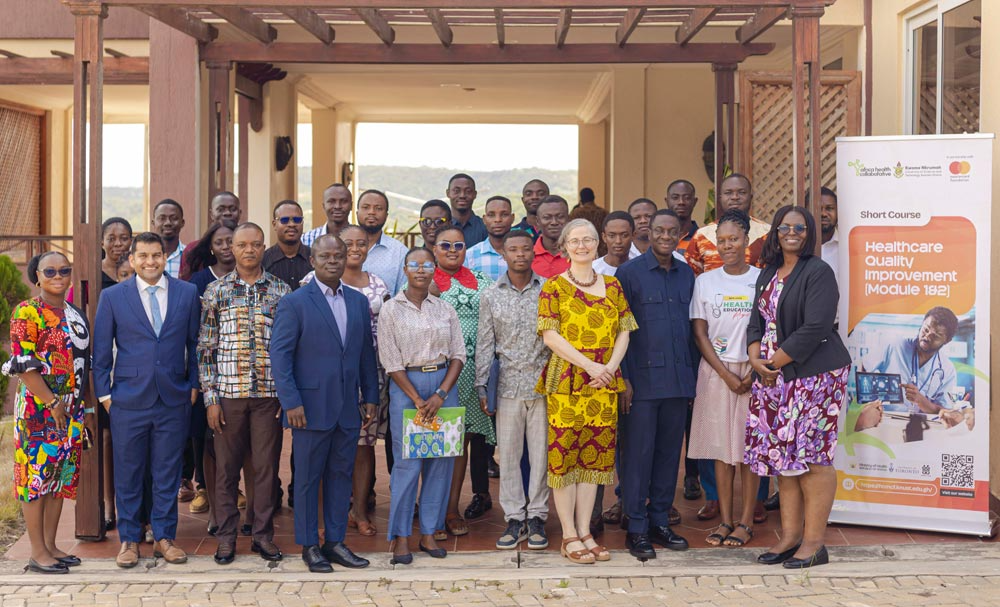
The Africa Health Collaborative at Kwame Nkrumah University of Science and Technology Kumasi, (KNUST) in partnership with the University of Toronto, has commenced a five-day Health Quality Improvement (QI) Module 1 Short Course, marking the fourth year of the programme.
The training brings together twenty participants, organized into five teams representing selected health facilities across Ghana. The course is designed to equip frontline health professionals with practical skills and a mindset for continuous quality improvement in healthcare delivery.
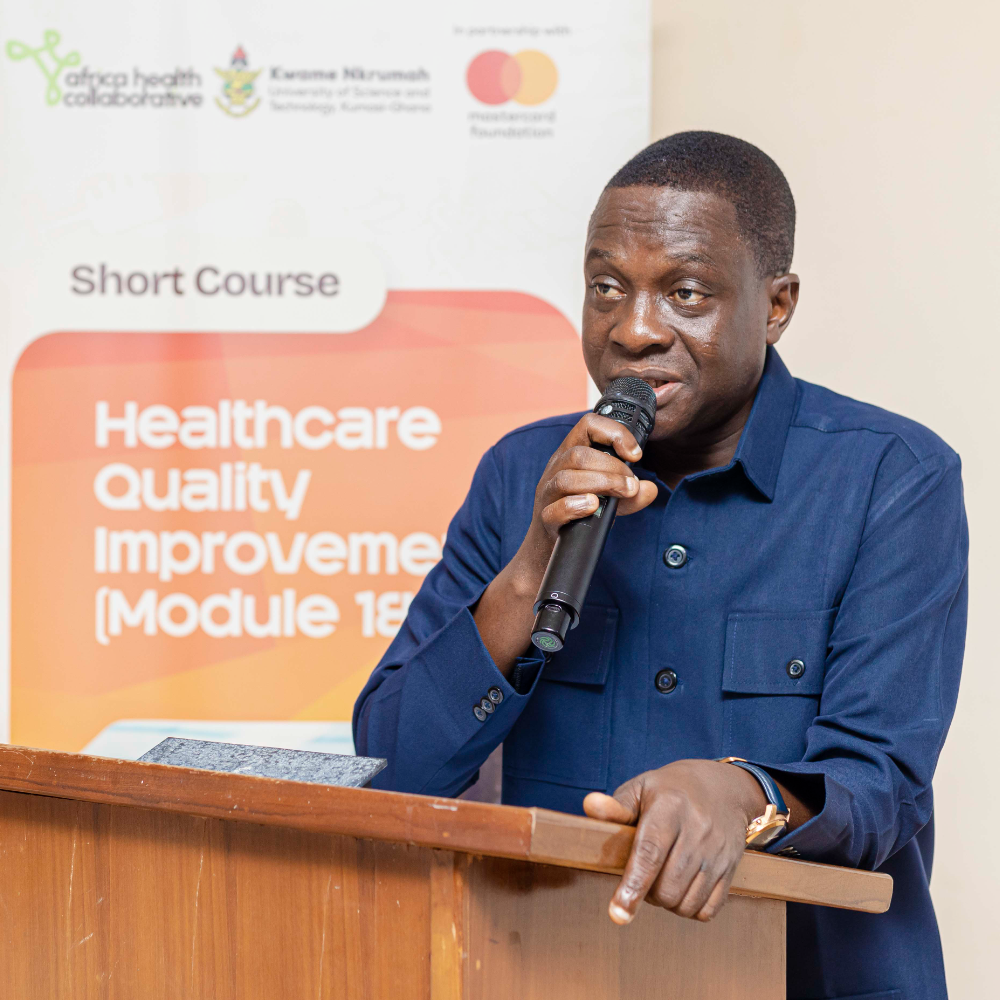
Speaking at the opening session, Professor Kofi Akohene Mensah, Pillar Lead for Health Employment (HEMP) at the Collaborative, underscored the programme’s overarching mission to strengthen primary healthcare systems.
“Our goal is to transform health systems at the primary care level through leadership, innovation, and entrepreneurship,” he stated. “To achieve this, we focus on three key objectives, building the capacity of healthcare professionals and students, strengthening entrepreneurial ecosystems within universities, and developing sustainable networks among key stakeholders.”
He further emphasized the importance of long-term collaboration, noting that participants become part of a growing network of alumni, alongside actors from the public and private sectors, civil service, and academia.
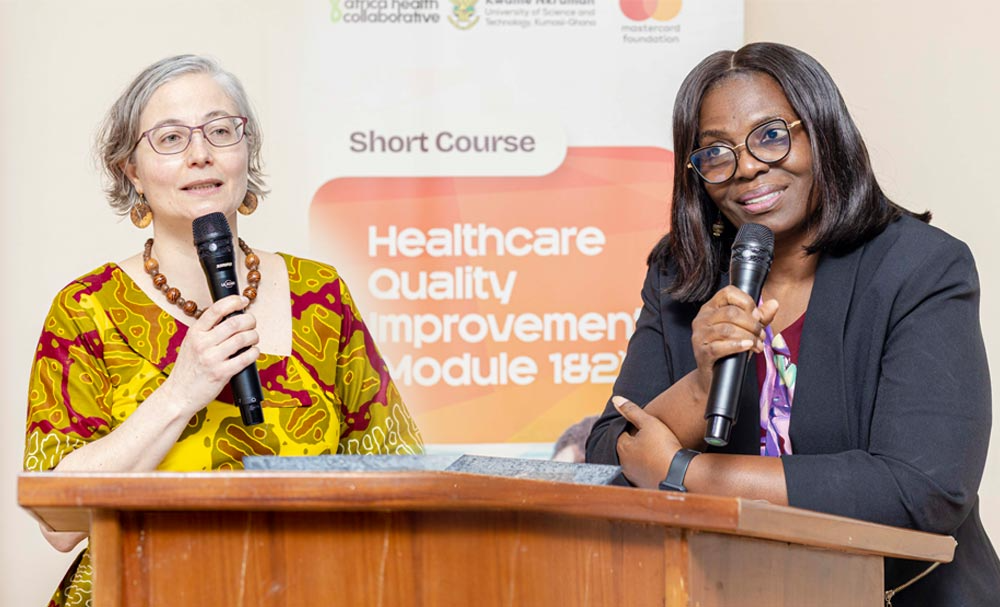
The course was jointly led by Dr. Margarita Kleopatra Lam Antoniades and Professor (Mrs.) Mercy Opare-Addo, who both highlighted the transformative nature of quality improvement.
Dr. Margarita described quality improvement as a continuous journey, encouraging participants to adopt a mindset of critical reflection and innovation.
“Regardless of your level of experience, this course will challenge you to see your work differently and identify opportunities for improvement,” she noted.
Professor Opare-Addo stressed the interactive and intensive nature of the training.
“This is not a passive learning experience. Participants will engage, collaborate, and actively explore solutions. You have been selected because we believe in your capacity to drive meaningful change in your respective facilities.”
She also highlighted the competitive selection process, revealing that only 20 participants were chosen from a pool of 41 applicants.
“The need to improve healthcare quality in Ghana is urgent. While resources may be limited, a shift in mindset can unlock significant improvements,” she added.
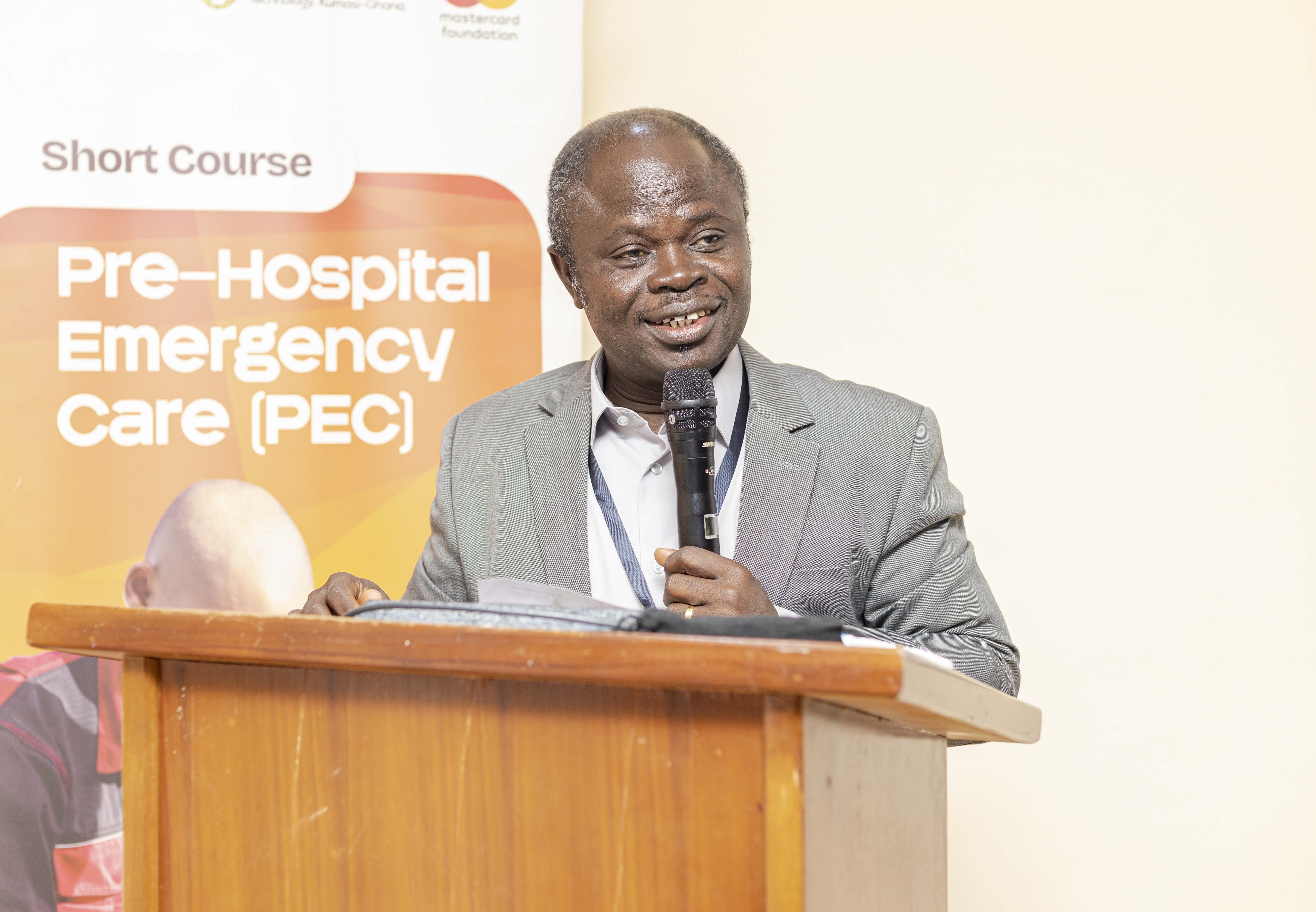
Dr. James Duah, Deputy Executive Director of the Christian Health Association of Ghana (CHAG), reinforced the critical role of quality in healthcare systems.
“There can be no coverage without quality,” he emphasized. “Investing in healthcare without ensuring quality renders such efforts ineffective. This training is essential in building the foundation for a resilient and impactful health system.”
Drawing on his experience with the Safe Care Quality Improvement Programme, Dr. Duah encouraged participants to adopt a solution-oriented mindset. He urged them to see themselves as change agents capable of addressing challenges within their institutions.
“What you learn this week may seem incremental, but it is fundamental to strengthening our health system,” he said. “By the time you return to your facilities, we expect to see tangible improvements that will reshape public perception of healthcare in Ghana.”
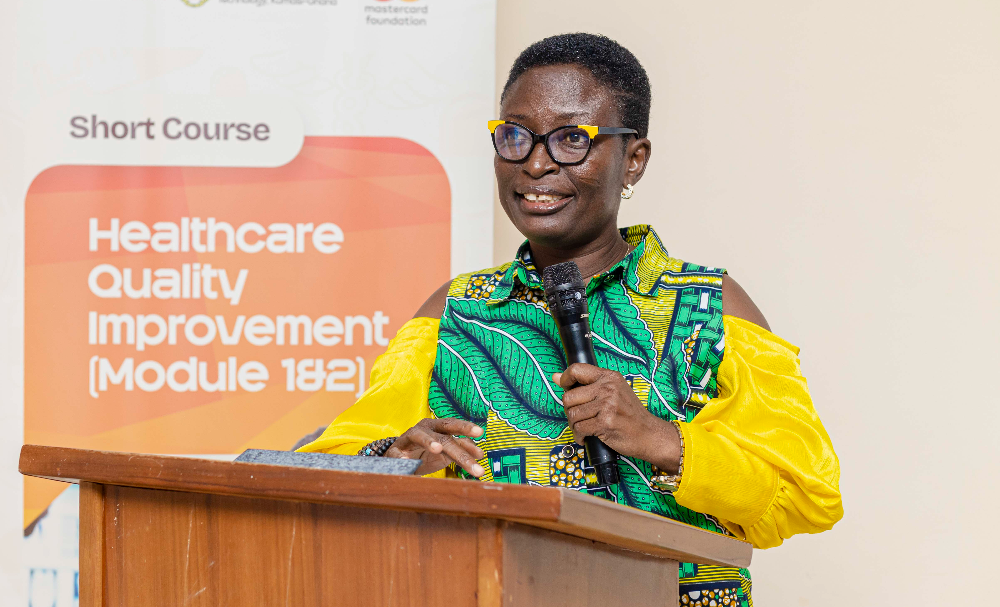
Ms. Bonifacia Benefo Agyei, Country Director of Safe Care Ghana, emphasized the broader impact of the programme beyond knowledge acquisition.
“The Africa Health Collaborative represents more than knowledge transfer. It is a platform for shaping leaders, strengthening health systems, and advancing a culture of quality, safety, and responsive care,” she stated.
She noted that these outcomes are central expectations for participants who undergo the Collaborative’s training programmes. According to her, whether through quality improvement initiatives or other interventions delivered by the programme, the competencies gained have far-reaching implications.
“The skills you acquire here carry the potential to save lives, improve patient experiences, and contribute to building a resilient health system within our communities,” she added.
Ms. Bonifacia further encouraged participants to maximize the learning opportunity by actively engaging throughout the training.
“I encourage you to engage deeply, challenge ideas, and collaborate boldly during this course. Most importantly, translate the knowledge and skills you gain into action particularly at the point of care, where it matters most,” she urged.
| Story: Emmanuel Offei | Photos: Emmanuel Offei |


